We also offer supply only shower screens - trade discounts apply!
We are looking for shower screen installers, apply here.
Do Frameless Shower Screens Leak?
If you’ve been eyeing off a frameless shower screen, you’ve probably heard the warning: “They look amazing… but they leak.”
Here’s the truth: a frameless shower screen shouldn’t leak when it’s designed and installed properly. Because it doesn’t have a bulky frame to catch water, poor layout, incorrect sealing, or a mis-aimed shower can let water escape.
At Ezy Glide, we supply and install custom-made shower screens (including frameless) across Sydney and Wollongong, manufactured locally and installed to meet Australian standards.
The Quick Answer
Frameless shower screens don’t naturally leak. They are simply less forgiving. If water is escaping, it’s usually due to screen design choices (panel size or return), installation details (levels, seals, silicone), or water direction (shower head angle or pressure), not the fact it’s frameless.

Why People Think Frameless Screens Leak
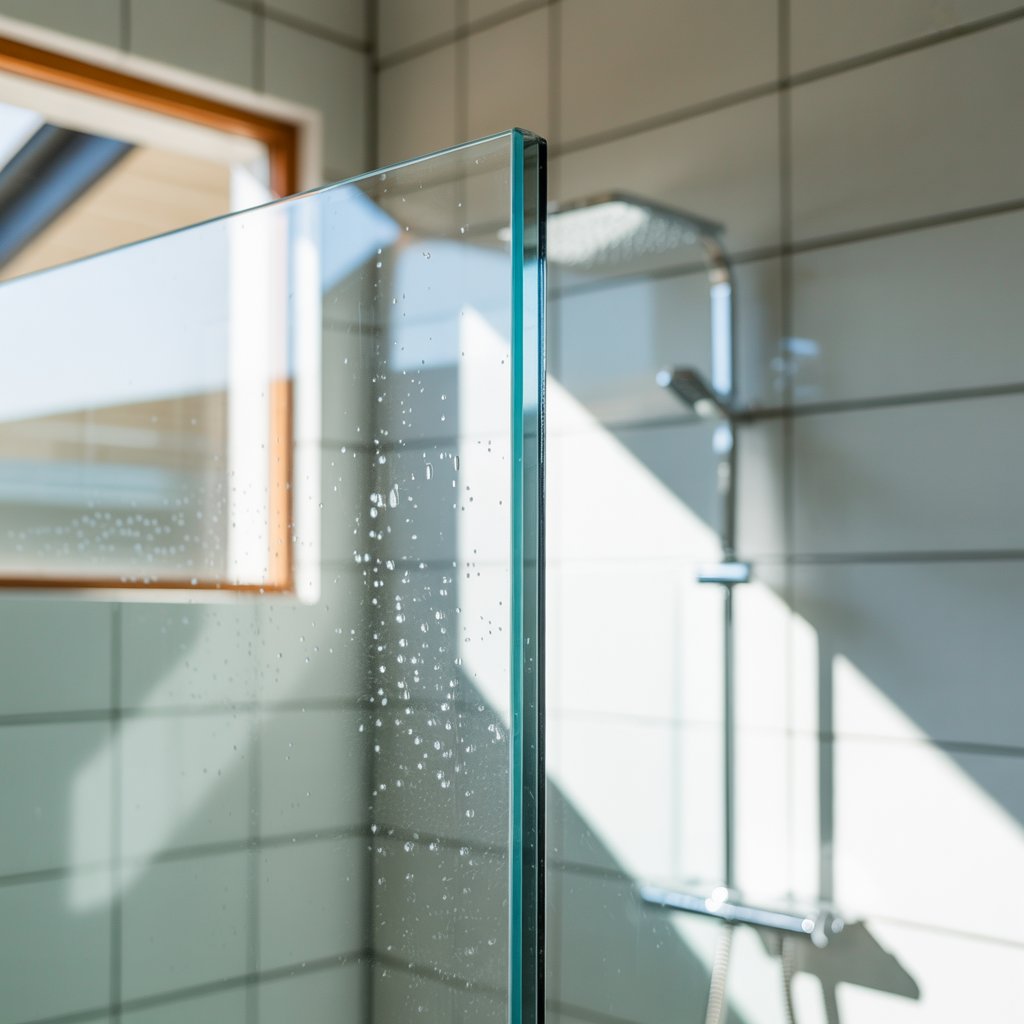
Frameless screens rely on thick toughened glass and minimal hardware to achieve that clean, modern look. That sleek design means:
There’s no full perimeter frame to trap stray spray
Small gaps can exist around doors or panels (by design) so the door can open smoothly
The whole system depends on precise measuring, correct alignment, and the right seals
So if anything is slightly off, you’ll notice it faster than you would with a fully framed screen.
What Counts As A Leak (And What Doesn’t)
Not all water outside the shower is a true leak. Here’s a simple way to judge it:
Usually Normal Or Easy To Fix
A few drips near the door edge after a long shower
Light splash-out when the shower head is aimed toward the opening
Water tracking along the floor due to soap scum buildup
More Serious (Needs Attention)
Water pooling outside the shower every time
Water escaping from the same corner repeatedly
Water appearing behind the screen line (suggesting silicone or waterproofing issues)
The Most Common Reasons Frameless Shower Screens Leak
The Shower Head Is Aimed At The Weak Spot
If the shower head sprays directly toward the door opening (or hits the glass at a sharp angle), water can rebound and escape.
Quick Fix: Angle the shower head slightly inward, or switch to a head or arm position that directs spray away from the opening.
The Screen Design Doesn’t Suit The Layout
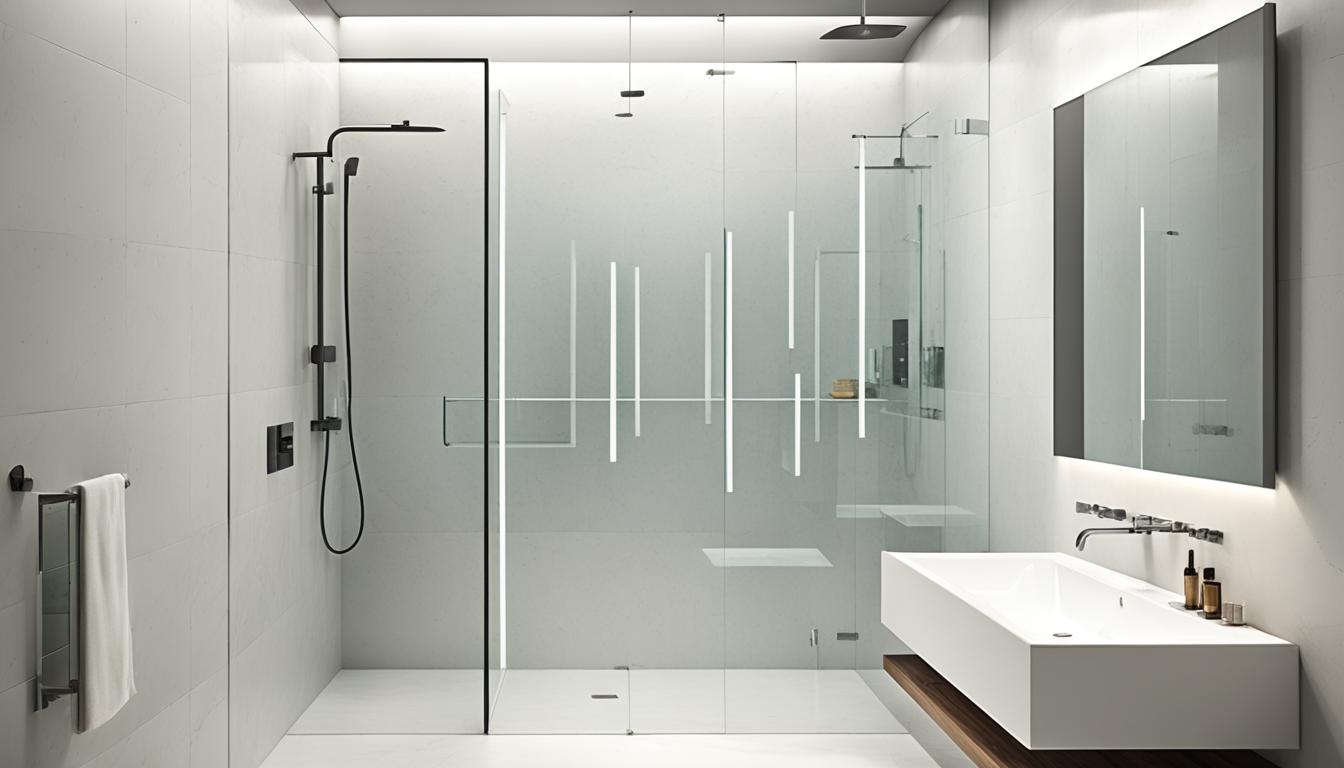
Some bathrooms need more than a single glass panel to contain water properly.
Leaks are more likely when you have:
Wide openings with minimal glass coverage
Door openings positioned too close to the main spray zone
No return panel where one is needed
A well-designed frameless setup should match your shower’s size, spray direction, and entry point, which is why a proper measure matters.
The Floor Fall Or Puddling Pushes Water Out
Even a perfect screen can struggle if the shower floor doesn’t drain efficiently.
Watch for:
Water sitting near the opening
Slow drainage
Slightly uneven tile falls
Tip: If you’re renovating, this is the time to get the fall and waste position right.
Door Seals Or Sweeps Are Missing, Worn, Or Incorrect
Frameless doors typically rely on discreet seals like:
Bottom door sweep (the clear strip under the door)
Vertical edge seals (where the door meets a fixed panel)
Deflectors (small shapes that redirect water back in)
If these aren’t fitted correctly (or have aged and hardened), water can track out.
Silicone Has Failed Or Was Applied Poorly
Silicone isn’t just cosmetic. It’s a water barrier where the glass meets tile.
Signs silicone is the issue:
Cracks or gaps along the base
Lifting edges
Mould appearing in one consistent spot
Important: Don’t re-silicone over failing silicone. It usually needs to be removed and redone properly.
The Glass Isn’t Perfectly Level Or Square
Frameless installation is precise. If the panel or door is even slightly out, gaps can become larger than intended and water will find them.
This is why experienced installation matters. A good installer will measure, level, align, and seal everything properly.
How To Stop A Frameless Shower Screen From Leaking
Here are practical fixes that often solve the problem quickly.
Try These First (No Tools)
Aim the shower head inward
Close the door fully (misalignment can stop it sealing properly)
Clean the bottom edge and seals (soap scum can redirect water)
Use a squeegee after showers to reduce water tracking
If It’s Still Happening
Replace or upgrade the door sweep or vertical seals
Add a discreet water deflector strip
Check and re-do silicone where required
Review the layout. You may need a return panel or a slightly different configuration
Should You Choose Semi-Frameless Or Framed Instead?
It depends on your priorities.
Best for a premium, minimal look
Great for modern bathrooms
Needs the right design and install to stay leak-free
A little more forgiving (some framing helps manage splash)
Still modern-looking, often more budget-friendly
Most forgiving for containment
Practical option for family bathrooms or high-splash setups
When To Call A Professional
Call in an expert if:
The leak is sudden and severe
Water appears to be getting behind walls or outside the shower zone
You suspect waterproofing issues
The door is sagging or not closing flush
Frequently Asked Questions
Do Frameless Shower Screens Need Gaps?
Yes. Small clearances are normal so the door can open smoothly and avoid glass contact. The goal is controlled gaps plus the right seals, not big open spaces.
Is It Normal To Get A Little Water Outside The Shower?
A tiny amount can happen, especially if spray is directed toward the opening. Regular puddles are not normal and usually indicate a design, sealing, or level issue.
Can You Make A Frameless Shower 100% Leak-Proof?
In real bathrooms, it’s better to aim for “leak-resistant by design”. That means the right configuration, correct seals, proper fall, and careful installation. Done right, it should stay dry outside the shower in everyday use.
What’s The Best Frameless Layout To Prevent Leaks?
Usually, layouts that keep the opening away from the main spray zone, include a return panel where needed, and use the correct seals and deflectors perform best.